NRN: The Government of Nepal has introduced significant amendments to the Non-Resident Nepali Act, 2064 (2008) (“NRN Act”), aimed at enhancing the legal rights and privileges of Non-Resident Nepalis . These changes were brought into effect on 18 Chaitra 2081 (31 March 2025) through the enactment of the Act Amending Various Acts Relating to the Promotion of Good Governance and Delivery of Public Services, 2081 (2025).
The key highlights of the amendment are provided below:
1. Expanded Definition of NRNs
The amended legislation broadens the scope of who qualifies as a NRN. The updated definition now includes the following categories:
- Person holding Non-Resident Nepali citizenship;
- Foreign citizens of Nepalese origin; and
- Nepalese citizens residing abroad.
Previously, the Non-Resident Nepali definition only included:
- A foreign citizen of Nepalese origin; and
- A Nepalese citizen residing abroad.
The revised definition ensures a more inclusive recognition of individuals connected to Nepal, whether through citizenship, heritage, or foreign residency.
2. Free Visa Privileges for NRN
The amendment to Section 11 of the Non-Resident Nepali Act introduces a major incentive in the form of free visas for eligible NRNs and their families. The key provisions are:
a) Free NRN Visas for up to 10 Years:
Individuals residing in Nepal who hold Non-Resident Nepali citizenship, foreign citizen of Nepalese origin with Non-Resident Nepali ID card, and their family members will be entitled to a Non-Resident Nepali visa Nepal (non-residential visa) free of charge for up to ten years.
b) Multi-entry Residential Visa (Free of Cost):
A person who has obtained Non-Resident Nepali citizenship will be granted a multi-entry Nepal residential visa valid for two years per issuance, free of charge.
These developments represent a proactive step by the Nepal Government to strengthen ties with the global Nepali diaspora and incentivize continued engagement with Nepal.
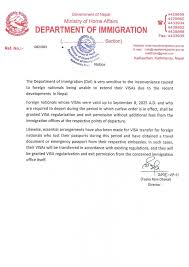
What Is the 2025 NRN Act Amendment?
The 2025 amendment expands the scope of the Non-Resident Nepali Act by recognizing additional categories of NRNs and introducing new visa privileges for eligible individuals and their families.
Who Qualifies as an NRN?
Under the amended legislation, the following persons are recognized as NRNs:
- Persons holding Non-Resident Nepali citizenship.
- Foreign citizens of Nepalese origin.
- Nepalese citizens residing abroad.
What Are the New NRN Visa Benefits in Nepal?
The amendment provides several important benefits, including:
- Free Non-Resident Nepali visa Nepal (non-residential visa) for up to ten years.
- Free multi-entry Nepal residential visa for eligible Non-Resident Nepali citizens.
- Visa benefits extending to eligible family members as provided under the Act.
Why Is This Amendment Important?
The amendment reflects Nepal’s commitment to strengthening ties with the global Nepali diaspora by providing broader recognition of Non-Resident Nepali’s and improving long-term residency opportunities.
Related Resources
Internal Links
Official Government Resources
Conclusion
The 2025 amendment to the Non-Resident Nepali Act represents an important development in Nepal’s immigration framework. By expanding the definition of NRNs and introducing free visa privileges, the amendment strengthens Nepal’s engagement with the global Nepali diaspora. Individuals seeking legal advice regarding Non-Resident Nepali status, visas, or immigration matters should consult experienced legal professionals for guidance based on their specific circumstances.
Frequently Asked Questions (FAQs)
What is an NRN under Nepalese law?
Under the amended Non-Resident Nepali Act, an NRN includes persons holding NRN citizenship, foreign citizens of Nepalese origin, and Nepalese citizens residing abroad.
Who is eligible for a NRN visa Nepal?
Eligible individuals include persons holding NRN citizenship, foreign citizens of Nepalese origin with an NRN ID card, and eligible family members under the amended NRN Act.
How long is the free NRN visa valid?
Eligible individuals may receive a non-residential visa free of charge for up to ten years, subject to the provisions of the NRN Act.
What is the validity of the Nepal residential visa?
Persons holding NRN citizenship are entitled to receive a free multi-entry Nepal residential visa valid for two years per issuance.
Where can I obtain legal advice regarding NRN matters?
For legal advice regarding NRN status, visas, or immigration matters in Nepal, you may contact Gandhi & Associates through https://www.lawgandhi.com/contact/.